
We track smart technologies for use in traditional retail
Smart Stores tracks smart innovations in retail.
For too long, e-commerce has taken advantage of its accessibility, convenience, and online data to threaten even destroy many retail businesses. Here at Smart Stores we believe that traditional retail can compete with e-commerce using the exact same technologies and better utilize its own personal and physical advantages.
The good news today is retail is increasingly using technology to compete head on with e-commerce using an array of smart solutions. Technologies available today that retail can take advantage of include: smart phones, smart cards, QR codes, online payments gateways, RFID, and IoT.
Retail needs to think outside the square and not only use these technologies for automation and convenience, but take advantage of unique user experiences that are only possible by being on location.
Developments
- All
- Banking
- IoT
- Mobile
- Retailers
- Smartstores
- Solutions
- Technology
Microsoft Smart Stores
Microsoft Cloud for Retail is a cloud-based solution that helps retailers to digitally transform their operations and customer experiences. It provides retailers with the tools and services they need to better understand and engage with their customers, optimize their operations, and create more personalized shopping experiences. The solution includes a range of features such as customer insights, inventory management, supply […]
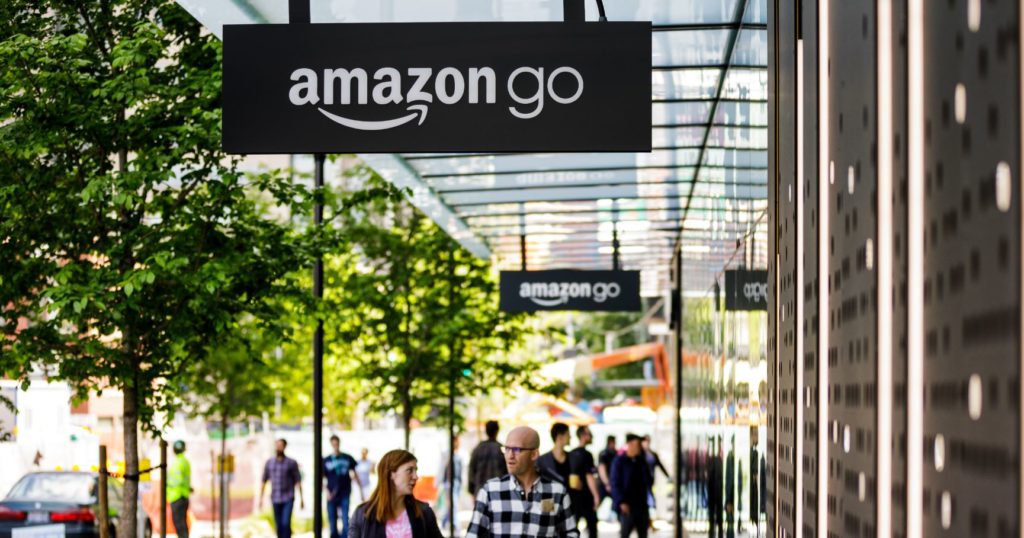
Smart Stores that are already trading
For years now we have been talking about smart stores where nearly every part of the shopping experience is automated, augmented, or virtual. In 2022, it appears that some stores and services are almost considered smart stores. For cashless shopping we have Woolworths. Both Amazon Fresh and Amazon Go utilize scanning, AI, geofencing, sensors, and smart shelves. Digital signs and […]
Smart Stores – Rebooting retail through in-store automation
Customers these days expect the efficiency and convenience of an online experience when they visit a brick and mortar stores. Fortunately for retail, automation is here to save the day. Automation offers clear benefits to both consumers and retailers. By solving the challenges they encounter and creating a positive experience, it can entice shoppers back into stores, thus staving off […]
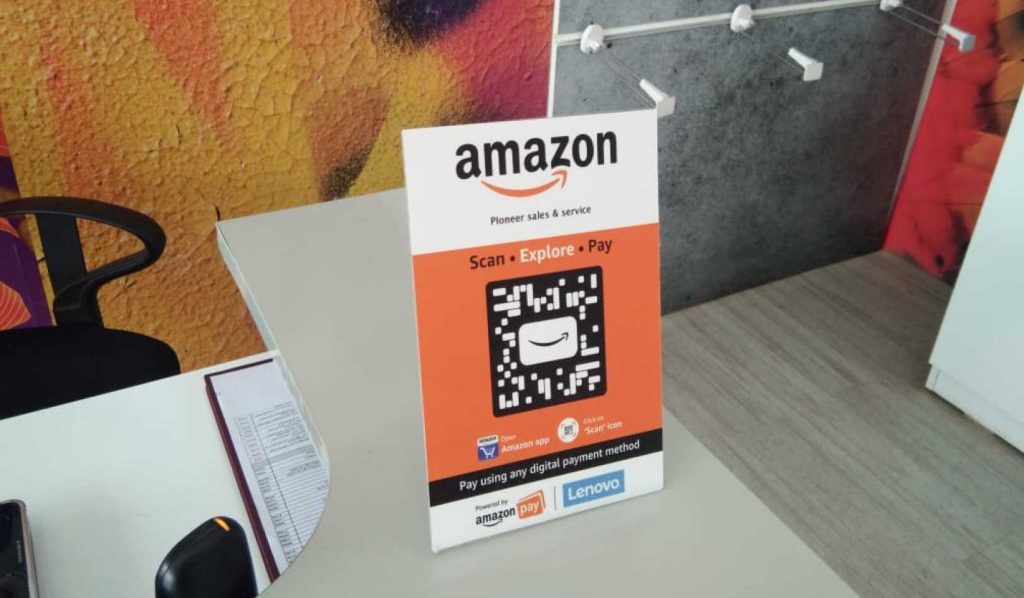
Amazon launches ‘Smart Stores’ in India
Amazon’s latest initiative into retail is called “Smart Stores”. Part of Amazon Pay, it is an India-specific program that provides smaller retail stores with software to maintain a digital log of inventory and a unique QR code. When consumers walk to the store and scan this QR code with the Amazon app, they see everything the shop has to offer, […]
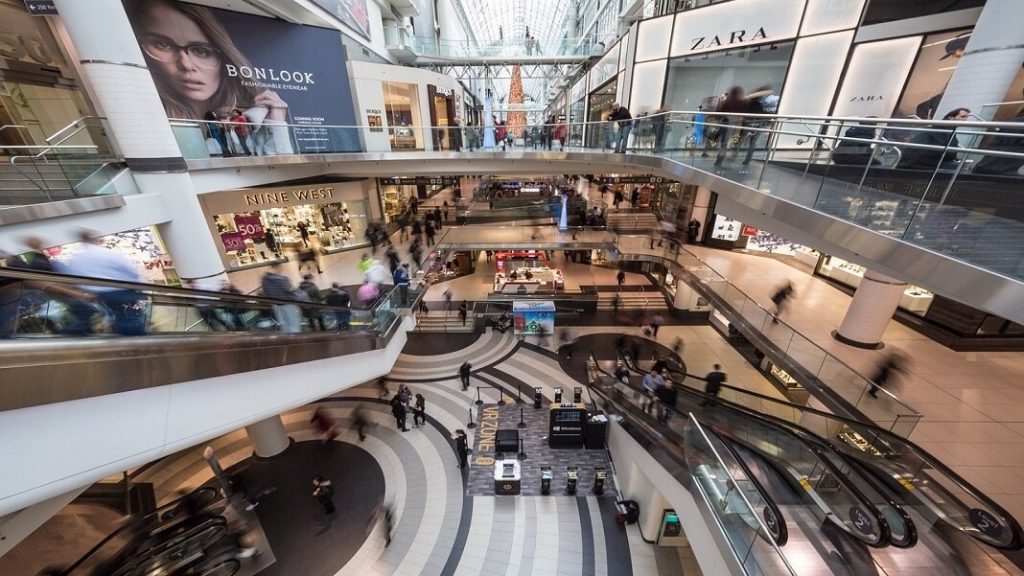
How We’ll Buy Things in 2030
Smart Stores and Personalized Experiences How do you buy your stuff? Do you get in your car, or type with your fingers? E-commerce is surging while brick-and-mortar sales fall. What could possibly save malls and shopping centers? Enter the experience economy. In the next decade, AI-driven personalization, AR/VR interfaces, and sensor-geared smart environments could turn today’s “shopping center” into a […]
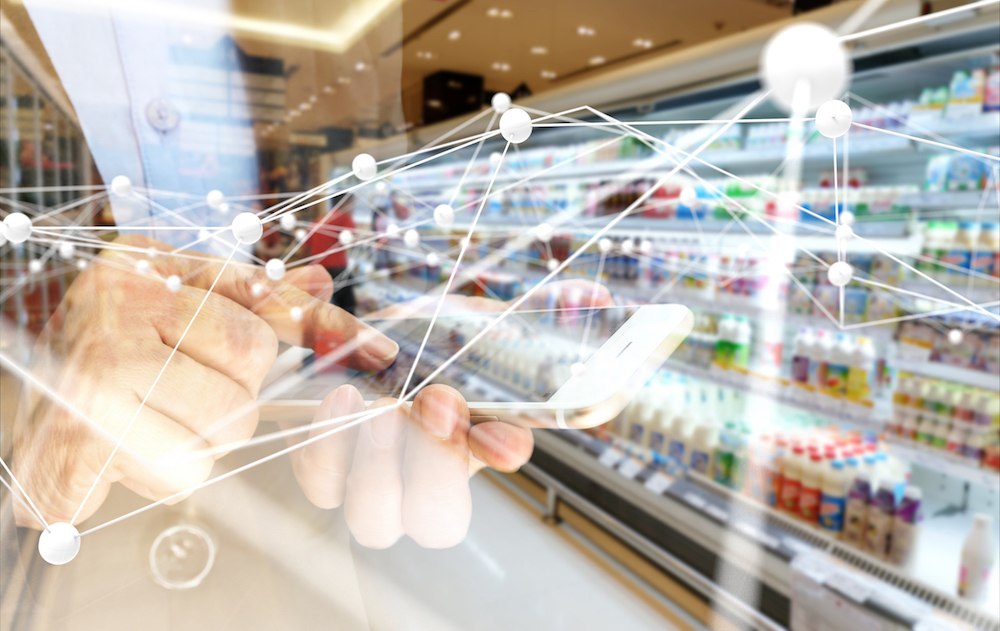
IOT giving rise to Smart Stores
Grocery stores need to compete with online stores that account for up to 10% of grocery shopping in the US. The future of the grocery industry belongs to those organizations that can process data inside their network. IOT or the Internet of Things is bringing data to the shopping experience to not only compete with online shopping but to also […]
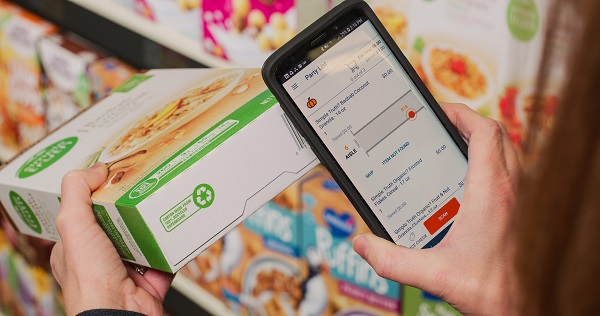
Kroger partners with Microsoft on smart stores
US grocery giant Kroger has partnered with Microsoft to deliver two pilot smart stores, including digital shelving displays which can indicate price, promotions and nutritional information to customers. The EDGE (Enhanced Display for Grocery Environment) shelf will also connect with Kroger’s Scan, Bag , Go system, which allows customers to scan product barcodes and pay using Kroger’s specialised app without […]
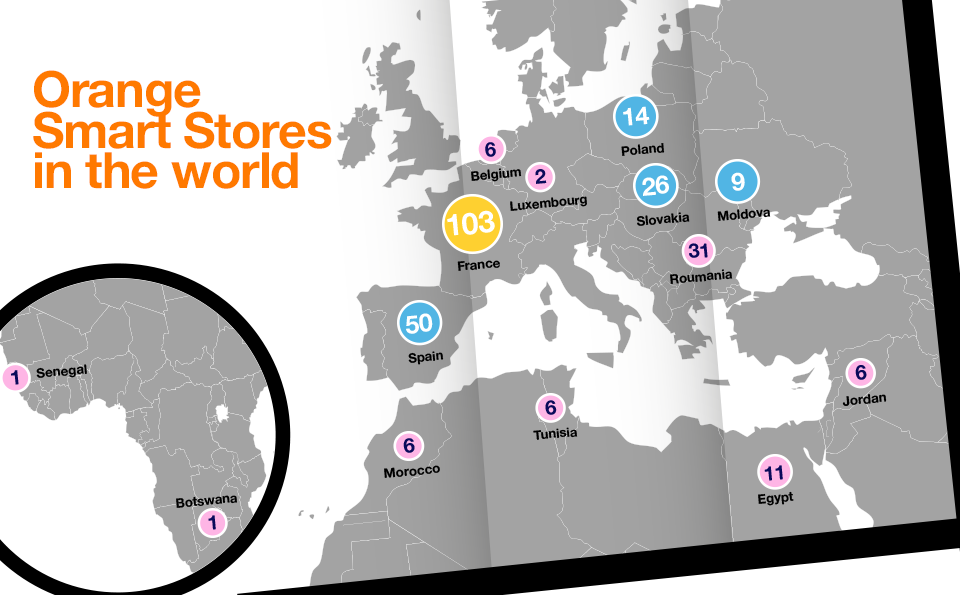
Smart Stores by Orange
From Paris to Yaoundé in Cameroon, Orange has committed to revolutionise how its customers experience its stores, bringing them an even more intense digital experience. Across the Group’s 157 Smart Stores open to date, Orange is rethinking the experience for its customers, proposing a new way to welcome them in its stores. Just like the 7 million customers who have […]
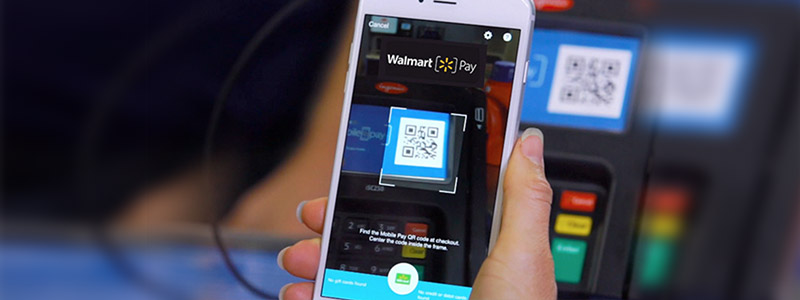
Walmart Scan and Pay
This March, Walmart started the trial of smart stores through the mini-program “Walmart Scan and Pay,” with which customers can use their mobile phones to scan the product’s barcode for self-service payments. This mini-program has been applied in Walmart stores in 28 cities and is expected to cover more than 400 stores in China within this year. Read more →
Retail 2020
Retail shopping will change more in the next 10 years than it has in the last 1000 years. Here are five technologies that will change the way you shop.
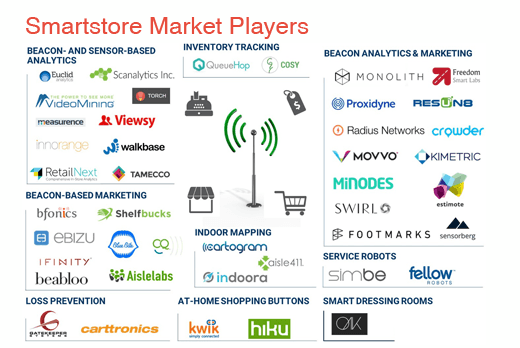
Internet of Things: use of smartstores in the retail industry
In the conditions of intense competition in the retail market, retailers need to look for new ways to automate business processes and improve the quality of customer service. Smart Stores allow to solve these tasks. A smartstore is a concept that describes the principle of automating retail trading platforms utilizing the Internet of Things (IoT) technology. To automate these processes, […]
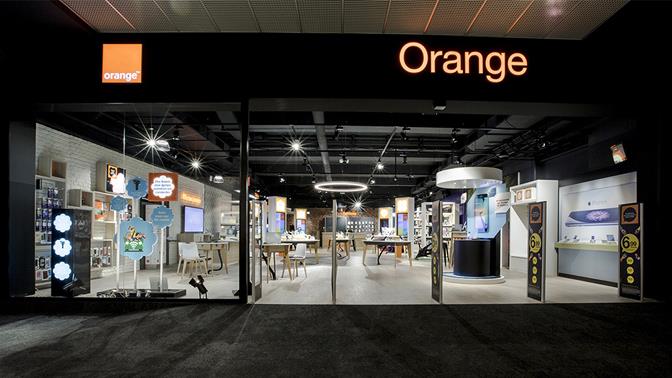
Orange has 157 Smart Stores & counting
Across the world, Smart Stores are reshuffling the cards If digital technologies are simplifying daily life for users, it’s fair to say that they are also increasing the thirst for discovery for so-called technophiles. Orange has responded to this need to always be connected to technology through their Smart Stores. From Paris to Yaoundé in Cameroon, Orange has committed to […]
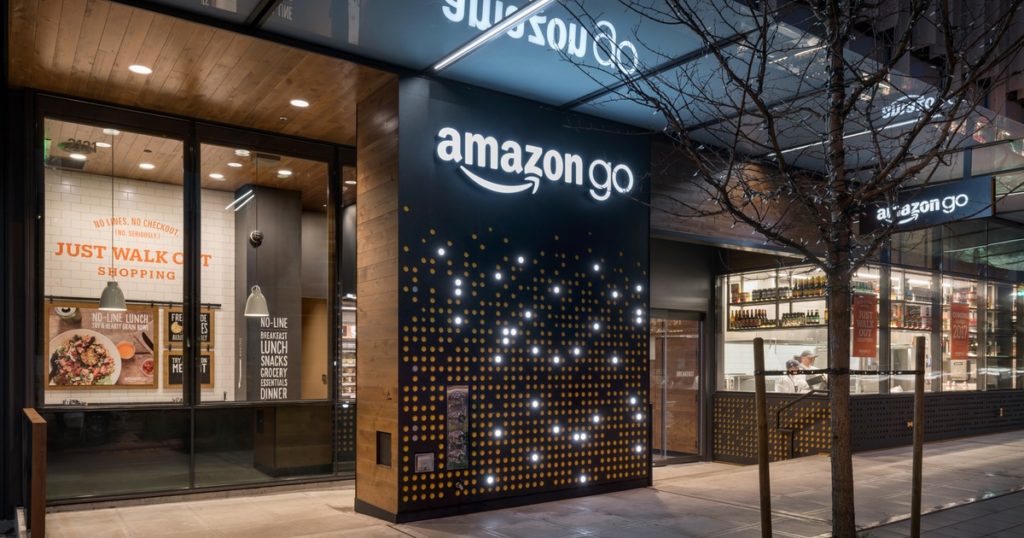
Here come ‘smart stores’ with smart tech
Smart stores use real-world store technology to lure shoppers back from the internet, and maybe even nudge them to spend more in the process. Amazon’s new experimental grocery store in Seattle, opening in early 2017, will let shoppers buy goods without needing to stop at a checkout line. Sensors track items as shoppers put them into baskets or return them […]
Advanced Analytics for Smart Stores
Take a look at Relevance One’s view on how to understand your customer’s behavior to aid in higher sales. Relevance One produces comprehensive analytic software that enables retail stores, malls, and smart cities to leverage rich behavioral data and influence consumer experience in a unique, holistic way.
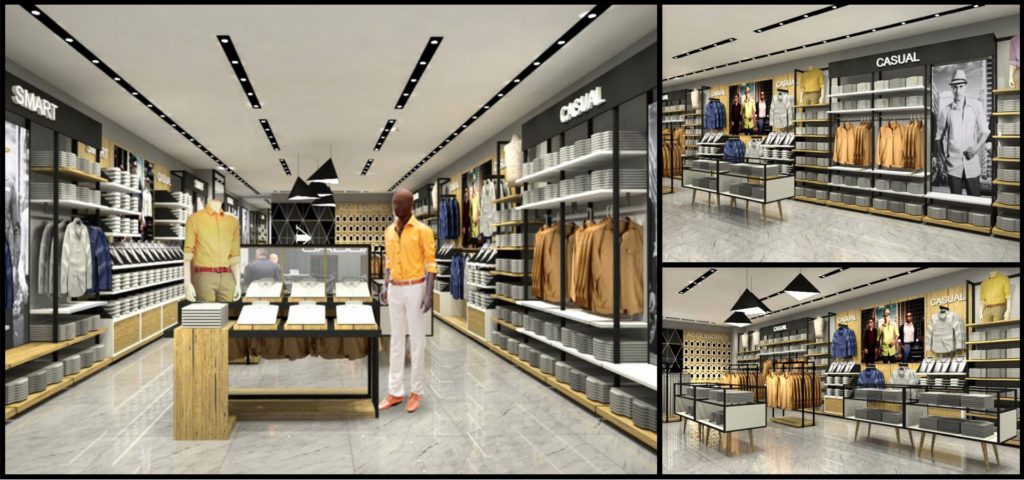
Venfield Smart Stores
Take a look at Venfield in India as an example of adapting to 21st century retail and implementation of smart stores. They take a holistic approach with presentation and have a strong brand to attract their main market of young trendy shoppers. With over 40 stores and counting, Venfield are making strides toward taking their brand even stronger with […]
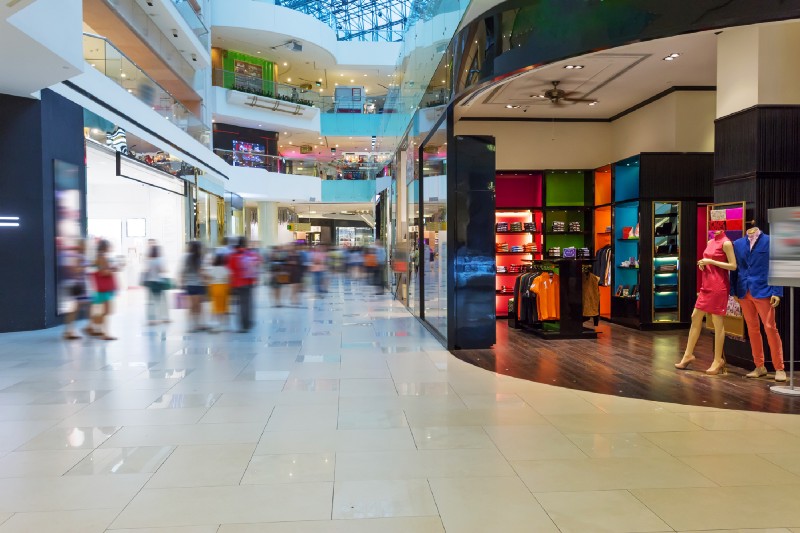
Saving Retail from the Brink with Smart Stores
There is little doubt that retail business is under tremendous pressure, and certain segments are experiencing excruciating pain as they struggle to survive. In the past 12 months there has been a deluge of bad news highlighting the plight of iconic retailers such as Macy’s, The Limited, Sears, Kmart and Men’s Wearhouse, all shuttering 100’s of stores and others […]
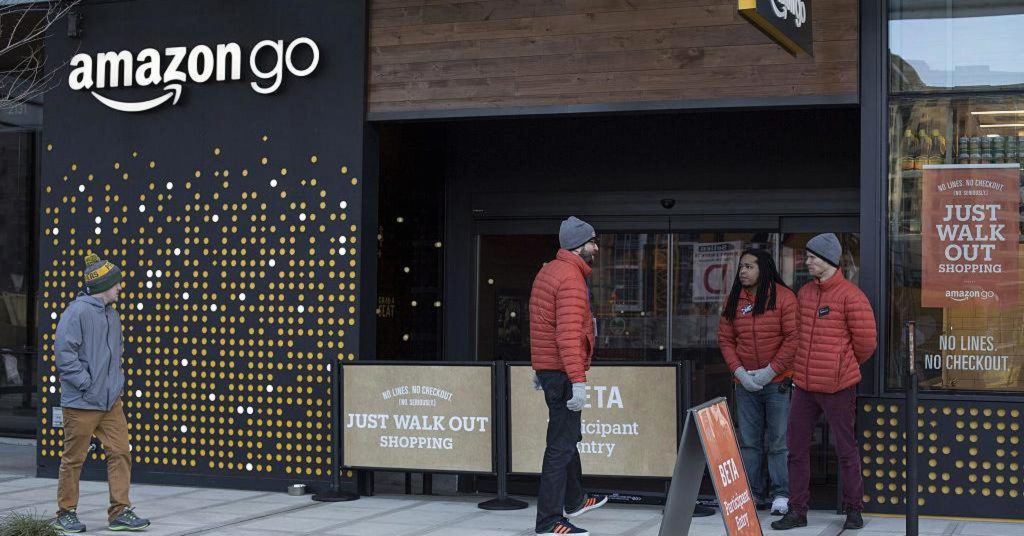
Smart Stores will feature robots, interactive shelves & mirrors
Tomorrow’s retail stores want to take a page from their online rivals by embracing advanced technology — everything from helpful robots to interactive mirrors to shelves embedded with sensors. The goal: Use these real-world store features to lure shoppers back from the internet, and maybe even nudge them to spend more in the process. Amazon’s new experimental grocery store in […]
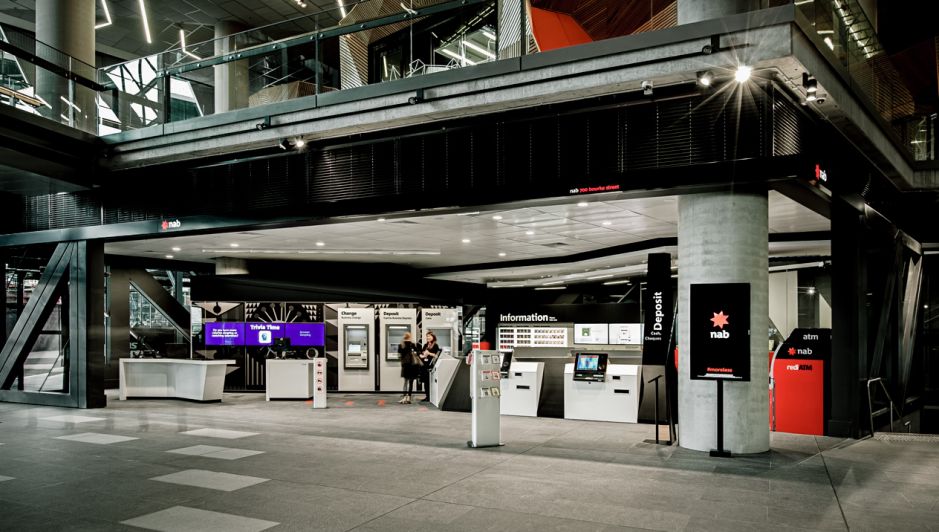
National Australia Bank Smart Stores
The NAB smart stores opening in NSW and Victoria are technology enabled transnational environments that do not have tellers. Instead there is an array of intelligent machines that populate the front of the store enabling customers to quickly process their transactions with out the need for queuing. Staff roam the transnational areas to assist in the complex transactions and to […]
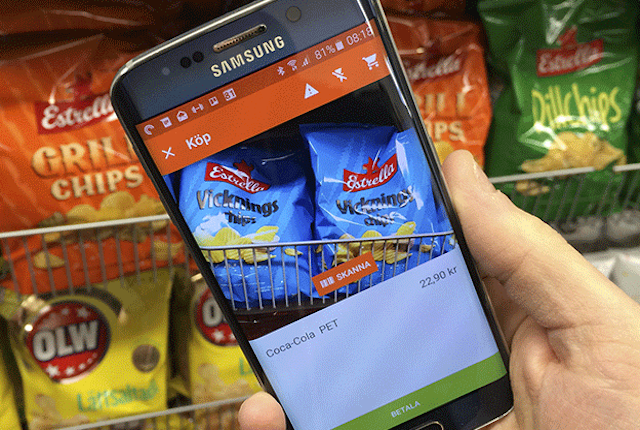
“Smart” Convenience Store Has No Cashiers
After a crazy, late-night run for baby food, Robert Ilijason, a 39-year-old IT specialist, had the bright idea of creating a “smart” convenience store that would be open 24 hours a day, but have no cashiers on duty. In September, he opened Näraffär, an around-the-clock shop in Viken, Sweden, where customers simply swipe their smartphones to unlock the front […]
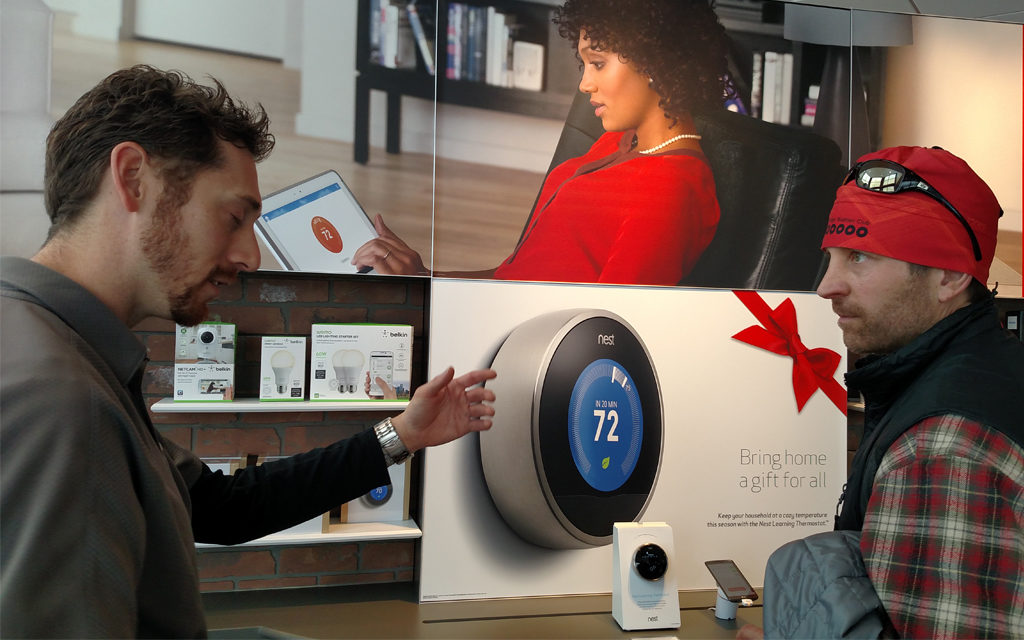
Verizon continues to open Smart Stores
Verizon is embracing a smart future by focusing on smart homes, smart stores, and smart customers. The company continues to Open Smart Stores Across The Nation to Help Customers Discover the Benefits and Fun of the Mobile Lifestyle. Eric Mittelsteadt loves to interact with technology. “I’m in the process of trying to convert and update my house to make it a smart […]


